Kuhki Satsujin Home

Category

Deep Dive

23 articles

Nothing Is Happening. That's Exactly the Problem.

Nothing Is Happening. That's Exactly the Problem.

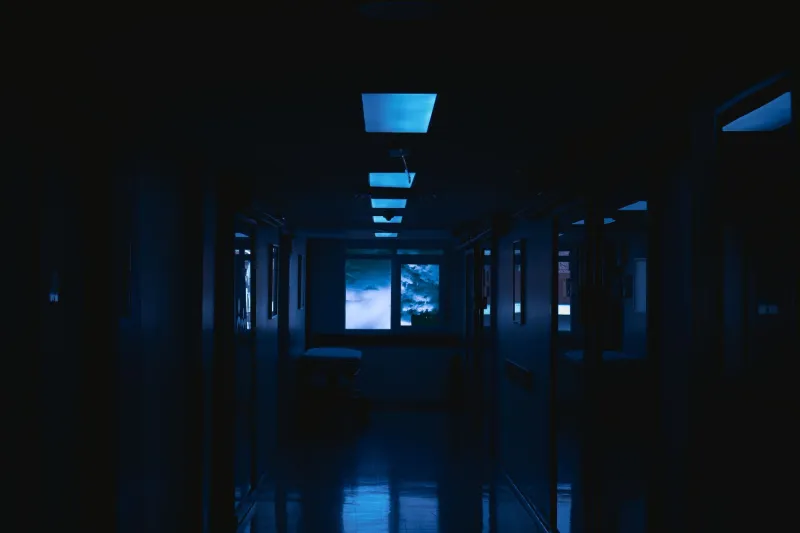
Japanese horror's most suffocating moments don't arrive with a crash or a sting — they settle in during the spaces between things. Directors like Kiyoshi Kurosawa and Takashi Shimizu have figured out something that Hollywood keeps ignoring: the ordinary world is already terrifying if you just let it breathe.

Why Japanese Horror Turns 'Yes' Into the Scariest Word You'll Ever Say

Why Japanese Horror Turns 'Yes' Into the Scariest Word You'll Ever Say

In Japanese horror, the monster doesn't always break down your door. Sometimes it waits patiently for you to hold it open. Films like Audition and Ichi the Killer understand that in a culture built on obligation and social harmony, the most devastating weapon isn't a knife — it's your own inability to say no.

You Watched It. Now You're Part of It: How Japanese Horror Makes the Audience the Villain

You Watched It. Now You're Part of It: How Japanese Horror Makes the Audience the Villain

Japanese horror doesn't just scare you — it quietly hands you a piece of the curse and walks away. From Ringu's infamous tape to the contaminating dread of Ju-On, these films have a sneaky way of making you feel personally responsible for whatever happens next. Here's why that guilt-based terror hits American audiences harder than any jump scare ever could.

Dread on Delay: How Japanese Horror Turns Patience Into Your Worst Enemy

Dread on Delay: How Japanese Horror Turns Patience Into Your Worst Enemy

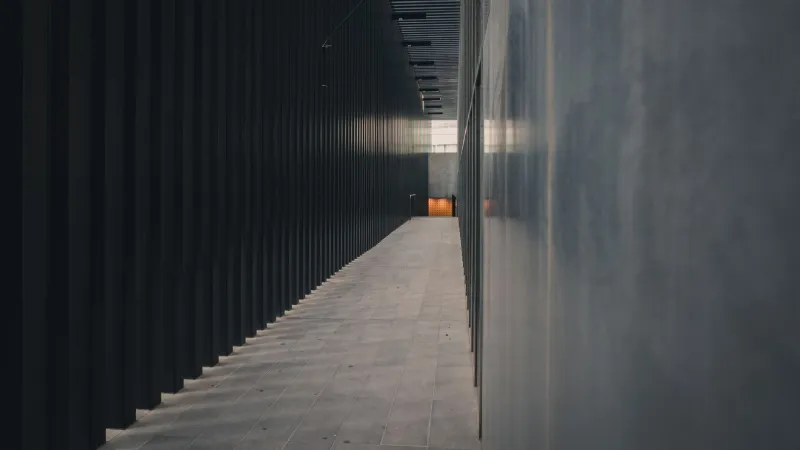
Western horror hands you the scare and moves on. Japanese horror makes you sit with what's coming — and that waiting is where the real damage gets done. Directors like Kiyoshi Kurosawa and Takashi Shimizu have basically weaponized your own anticipation against you, and it works every single time.

You Can't Trust Your Own Eyes: How Japanese Horror Weaponizes the Unreliable Narrator

You Can't Trust Your Own Eyes: How Japanese Horror Weaponizes the Unreliable Narrator

Japanese horror doesn't just scare you — it makes you doubt whether what you just watched actually happened the way you think it did. Through fractured perspectives, subjective camera tricks, and deliberate narrative misdirection, these films turn your own perception into the enemy. This is psychological terror at its most sophisticated.

Death Isn't the Ending: How Japanese Horror Keeps Its Victims Trapped Forever

Death Isn't the Ending: How Japanese Horror Keeps Its Victims Trapped Forever

In American horror, surviving to the credits means you won. Japanese horror doesn't play by those rules. Franchises like Tomie and Dark Water treat death less like a finish line and more like a revolving door — and that's exactly why they get under your skin in ways Western slashers never could.

Stop Scrolling. Japanese Horror Is Watching You Back.

Japanese horror directors don't just want your eyes on the screen — they want your entire nervous system committed to the experience. Films like Pulse, Noroi, and Kwaidan are built to collapse if you're half-watching, and most of us are absolutely half-watching. Here's what you're missing, and why it matters.

The Loudest Thing in Japanese Horror Is Nothing At All

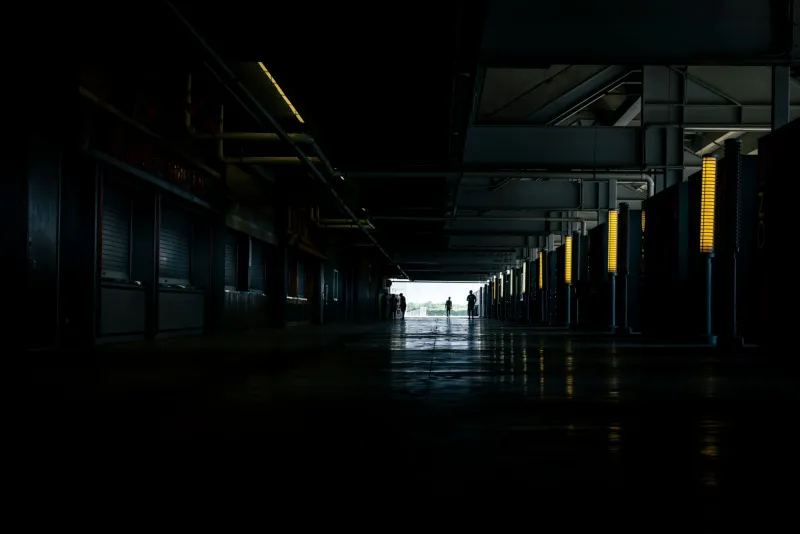
While Hollywood horror throws everything at you — blaring stings, sudden crashes, wall-to-wall noise — Japanese horror filmmakers have long understood something far more unsettling: the void itself is terrifying. From the hollow static of Kairo to the dead air hanging over Noroi's found footage, silence in J-horror isn't an absence. It's a presence.

From Ancient Grudges to Modern Nightmares: The Real Story Behind Japan's Most Terrifying Ghosts

From Ancient Grudges to Modern Nightmares: The Real Story Behind Japan's Most Terrifying Ghosts

American audiences think they know what a yurei is — a pale woman with long black hair crawling out of a TV. But the real mythology runs so much deeper, and darker, than any Hollywood remake ever let on. Here's the full story of how Japan's most iconic supernatural archetype went from ancient folklore to the psychological horror engine powering some of the greatest genre films ever made.